
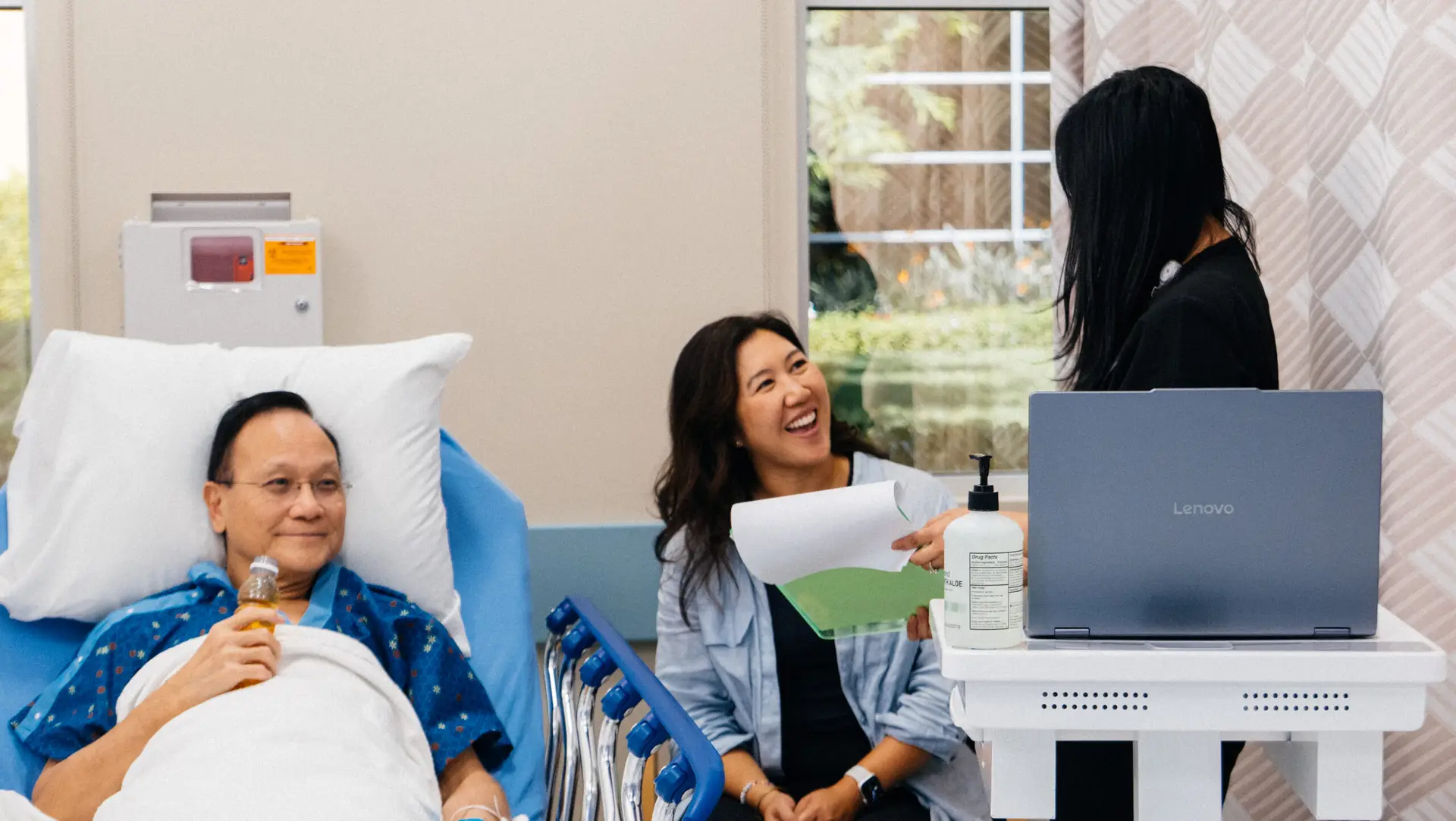
Once you’ve had your procedure(s), there are a few things to keep in mind.
If you had an upper endoscopy, a mild sore throat may occur. If you had a colonoscopy, gas, bloating and mild cramping are common.
*
*
*
After Your Procedure Checklist
Sedation & Safety
- Do not drive, operate heavy machinery, drink alcohol, sign legal documents or make major decisions for at least 24 hours after sedation.
Eating & Drinking
- Begin with a light meal. Avoid greasy, spicy or heavy foods initially, then gradually resume your usual diet as tolerated unless instructed otherwise by your provider. Make sure to drink fluids and stay hydrated.
Rest & Activity
- Rest for the remainder of the day. Drowsiness, dizziness or lightheadedness can occur. Avoid strenuous activity and heavy lifting for the rest of the day. Avoid use of heavy machinery. Most patients may resume their typical activities the following day unless instructed otherwise by their provider.
Medications
- Resume your usual medications only as directed in your discharge orders. If you use blood thinners, aspirin or diabetes medication, confirm exactly when to restart them with your provider.
Pathology Results
- If specimens were collected during your procedure(s), pathology results will be mailed to you in 1–2 weeks, depending on the laboratory. If results do not arrive by mail, please contact your GI provider’s office. Follow up with your GI provider to review your pathology results.
When to Get Medical Help
- Contact your GI provider if you experience a fever of 100.4°F or higher, bleeding beyond minimal spotting, worsening or persistent abdominal pain, difficulty swallowing or inability to tolerate fluids.
- Call 911 or go to the nearest emergency room for heavy bleeding, severe abdominal pain, chest pain, difficulty breathing, fainting, vomiting blood or coffee-ground-like material, or other severe symptoms.